Introduction
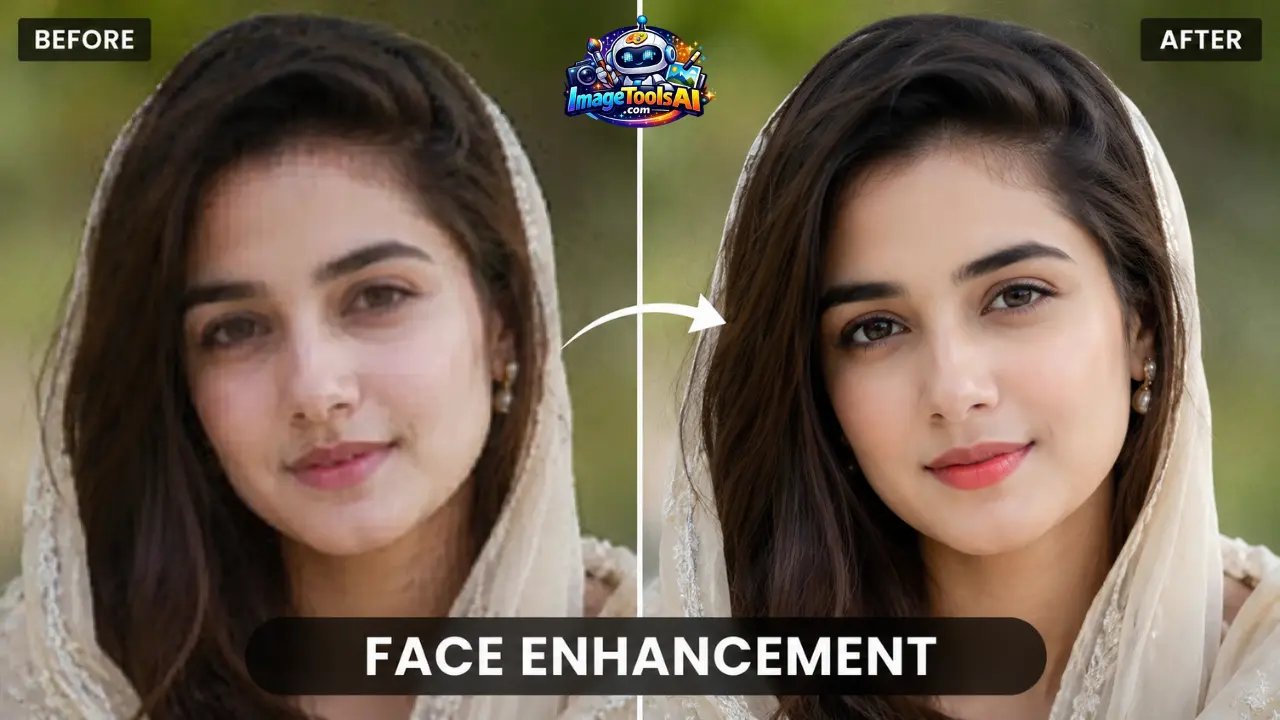
Picture a faded photo of relatives, cracked and smeared so badly it barely shows who’s there. A decade back, pulling any clear detail out of such a picture was next to hopeless. Right now, smart software rebuilds faces piece by piece, fills in lost patterns, sharpens edges, paints in lifelike tones – turning ghostlike shapes into someone you might know.
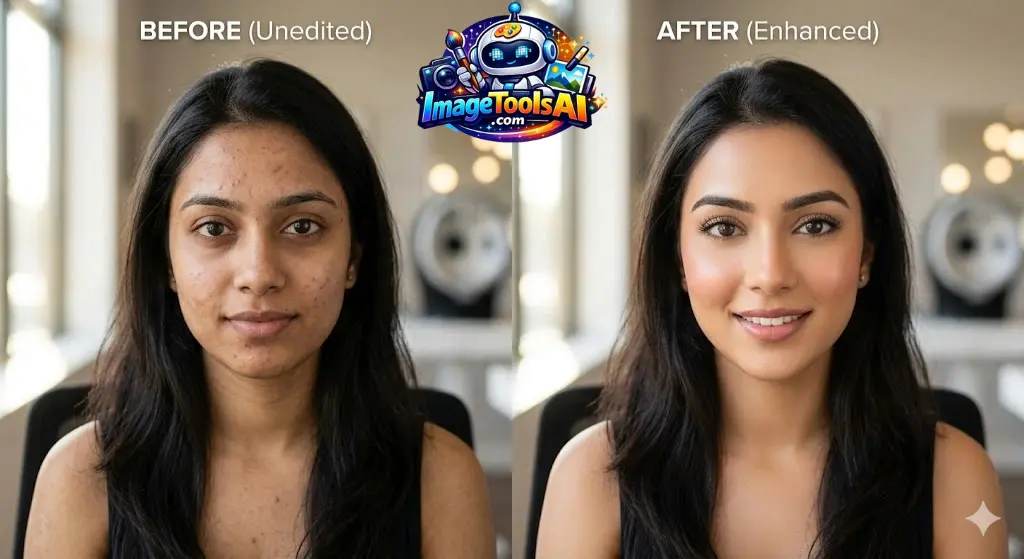
Starting with a fresh look at photos, Face Enhancement Generation doesn’t just tweak what’s already there – it rebuilds faces using smart algorithms. Instead of relying on old methods, it studies shapes and patterns to fill in gaps you can barely see. Because it guesses fine details like skin texture and hair strands, the results feel natural rather than forced. From fixing damaged pictures to lifting shadows in selfies, its role keeps growing quietly behind the scenes. Movies lean on it when bringing characters back in time without makeup or actors. Social feeds benefit too – faces appear clearer but still recognizable. Gamers notice smoother avatars that react more like real people. Even virtual beings made by computers gain lifelike depth because of these advances. As image platforms evolve, this tech slips into every corner where human likeness matters.
Picture this: a deep dive into Face Enhancement Generation – how it clicks, what powers it. Peek under the hood of the AI models steering the tech. See where it shows up in everyday life, not just labs. Strength meets caution; each upside has its counterweight. Think ethics, think limits. Gaze ahead toward 2026 and further. Watch patterns shift, ideas evolve. Notice how change isn’t coming – it’s already moving.
What Is Face Enhancement Generation?
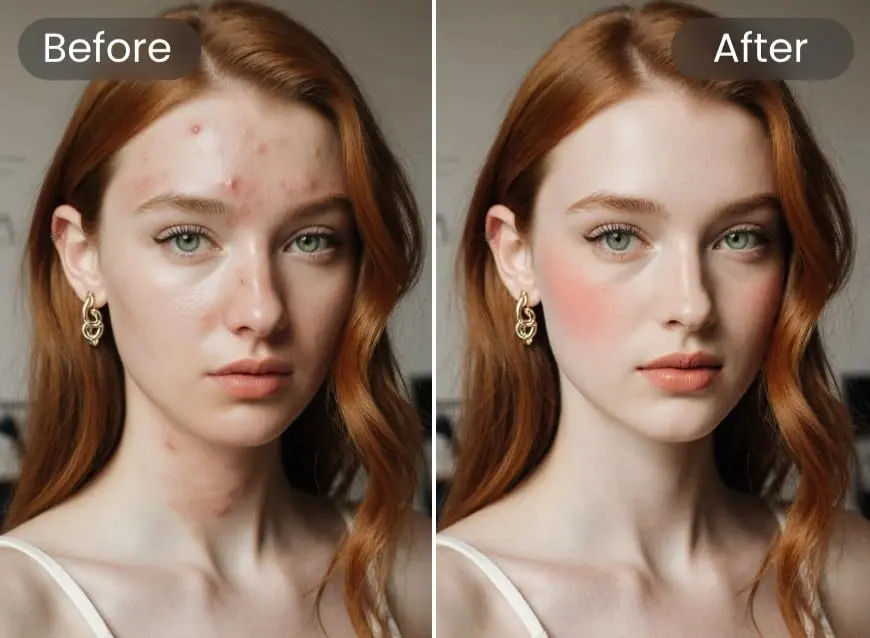
Face Enhancement Generation refers to AI-powered techniques designed to improve, reconstruct, restore, or generate facial details within digital images.
The term combines two important concepts:
Face Enhancement
Enhancing existing facial information through:
- Noise reduction
- Sharpening
- Upscaling
- Color correction
- Lighting improvement
- Detail recovery
Face Generation
Creating new facial details when original information is missing or severely degraded.
Examples include:
- Eye reconstruction
- Hair generation
- Skin texture synthesis
- Facial contour rebuilding
- Wrinkle prediction
Modern AI systems often perform both tasks simultaneously.
Quick Definition
Face Enhancement Generation is the process of using artificial intelligence to improve facial image quality while reconstructing or generating realistic facial details that may not exist in the original image.
Why Face Enhancement Generation Matters in 2026
The explosion of AI-generated content has created unprecedented demand for facial enhancement technologies.
Organizations now rely on these systems for:
| Industry | Usage |
| Photography | Portrait enhancement |
| Film | Footage restoration |
| Gaming | Character creation |
| Marketing | AI-generated campaigns |
| Social Media | Content optimization |
| Archives | Historical restoration |
| Healthcare | Facial analysis research |
| Security | Image clarification |
Face-centric content continues to dominate digital media, making enhancement technologies increasingly valuable.
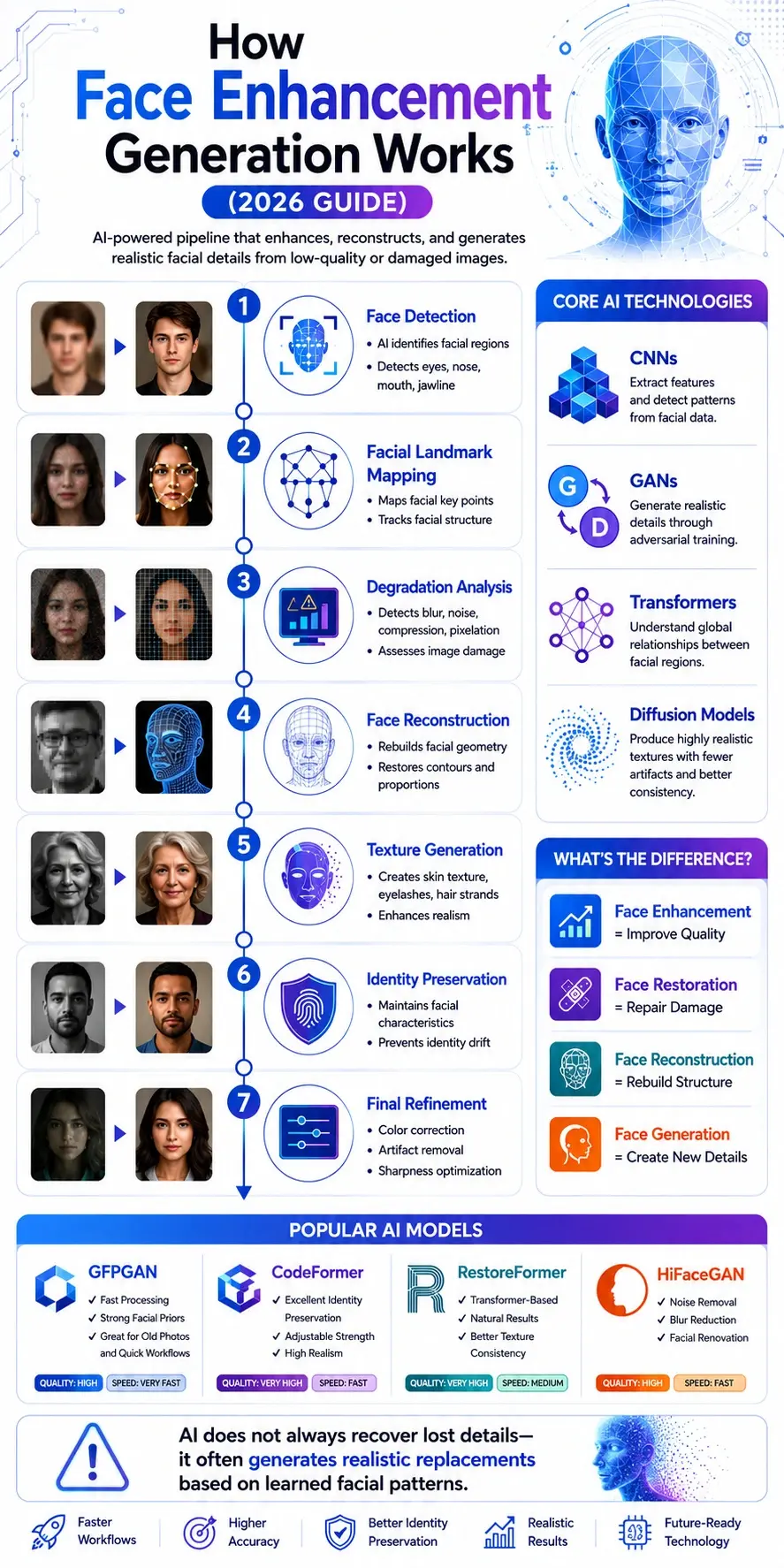
How Face Enhancement Generation Works
Modern systems follow a sophisticated multi-stage pipeline.
Face Detection
The AI identifies the face inside an image.
It locates:
- Eyes
- Nose
- Mouth
- Jawline
- Face Boundaries
Without accurate face detection, the restoration quality drops significantly.
Facial Landmark Mapping
The system creates a structural map of facial features.
Common landmarks include:
- Eye corners
- Eyebrows
- Nose bridge
- Lip edges
- Jaw contours
These landmarks act as reference points.
Degradation Analysis
AI determines what’s wrong with the image.
Examples:
- Motion blur
- Low resolution
- Compression damage
- Pixelation
- Missing regions
- Noise
Different problems require different restoration strategies.
Face Reconstruction
This is where the magic begins.
The AI predicts:
- Facial geometry
- Eye structure
- Nose shape
- Lip boundaries
- Face contours
The system creates a plausible reconstruction based on learned facial patterns.
Texture Generation
The AI generates:
- Skin details
- Eyelashes
- Hair strands
- Wrinkles
- Texture variations
At this stage, enhancement becomes generation.
Identity Preservation
Modern models attempt to maintain:
- Facial proportions
- Unique characteristics
- Structural consistency
Identity preservation is one of the biggest challenges in AI restoration.
Final Refinement
The image receives:
- Color balancing
- Detail blending
- Artifact removal
- Sharpness optimization
Result:
A realistic, visually improved portrait.
Mini Summary
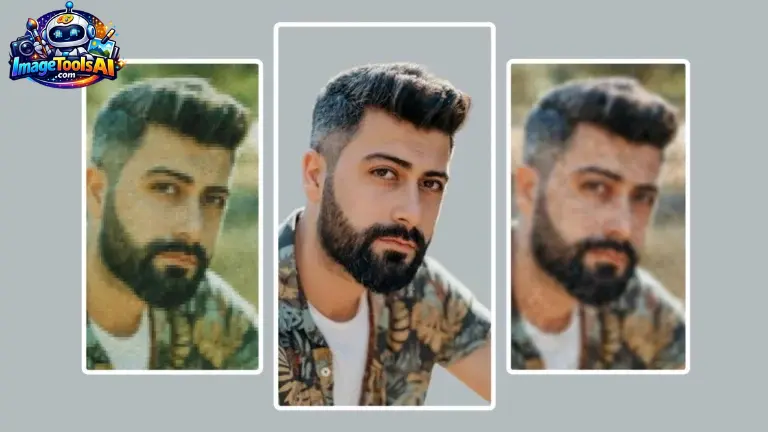
Face Enhancement Generation is not a single AI action.
It is a complex pipeline involving:
- Detection
- Analysis
- Reconstruction
- Generation
- Refinement
Each stage contributes to the final result.
The Core Technologies Behind Face Enhancement Generation
Convolutional Neural Networks
CNNs form the foundation of many restoration systems.
They excel at:
- Pattern recognition
- Texture extraction
- Feature detection
- Facial analysis
CNNs remain essential even in modern architectures.
Generative Adversarial Networks
GANs transformed image restoration.
A GAN consists of:
Generator
Creates realistic face details.
Discriminator
Judges whether details appear authentic.
The competition improves image realism over time.
Transformers
Transformers help AI understand relationships between distant facial regions.
Benefits include:
- Better consistency
- Global facial awareness
- Improved restoration accuracy
Many state-of-the-art models now use transformer architectures.
Diffusion Models
Diffusion systems represent the newest generation of face enhancement.
Advantages:
- Better realism
- Fewer artifacts
- Improved texture quality
- Better Identity Preservation
Many experts expect diffusion restoration to become the industry standard.
Face Enhancement vs Face Restoration vs Face Reconstruction
| Technology | Purpose |
| Face Enhancement | Improve quality |
| Face Restoration | Repair degradation |
| Face Reconstruction | Rebuild structure |
| Face Generation | Create new facial details |
Although closely related, each solves a different problem.
MODELS, USE CASES & COMPARISONS
Popular Face Enhancement Models
GFPGAN
Among the most widely recognized face restoration systems.
Strengths:
- Fast processing
- Excellent portrait enhancement
- Strong facial priors
Best for:
- Old photos
- AI-generated portraits
- Quick restoration workflows
CodeFormer
A transformer-based face restoration model.
Strengths:
- Better identity retention
- Adjustable restoration strength
- High realism
Best for:
- Professional portrait restoration
- Sensitive facial images
RestoreFormer
Designed to improve degraded faces through transformer architectures.
Strengths:
- High-quality restoration
- Natural-looking results
- Better texture consistency
HiFaceGAN
Focused on real-world facial enhancement.
Strengths:
- Noise removal
- Blur reduction
- Facial renovation
Model Comparison Table
| Model | Quality | Speed | Identity Preservation |
| GFPGAN | High | Very Fast | Medium |
| CodeFormer | Very High | Fast | Very High |
| RestoreFormer | Very High | Medium | High |
| HiFaceGAN | High | Fast | Medium |
Benefits for Creators & Businesses
Content Creators
Benefits include:
- Better profile photos
- Enhanced thumbnails
- Improved AI art
Photographers
Benefits include:
- Portrait correction
- Client image recovery
- Faster workflows
Marketers
Benefits include:
- Higher-quality campaigns
- Better visual branding
- Improved ad creatives
Businesses
Benefits include:
- AI avatars
- Customer-facing visuals
- Corporate content production
Best Use Cases
Old Photo Restoration
Restore family archives and historical images.
Social Media Content
Improve profile photos and creator branding.
E-Commerce
Enhance model photography.
Video Restoration
Improve low-quality footage.
AI Avatar Creation
Generate realistic digital humans.
Pros & Cons
Pros
Dramatically improves image quality
Restores damaged photographs
Enhances AI-generated portraits
Produces professional-looking results
Cons
May generate inaccurate details
Identity drift can occur
Not always historically accurate
Heavy processing requirements
Ethical concerns remain
Realistic Expectations & Limitations
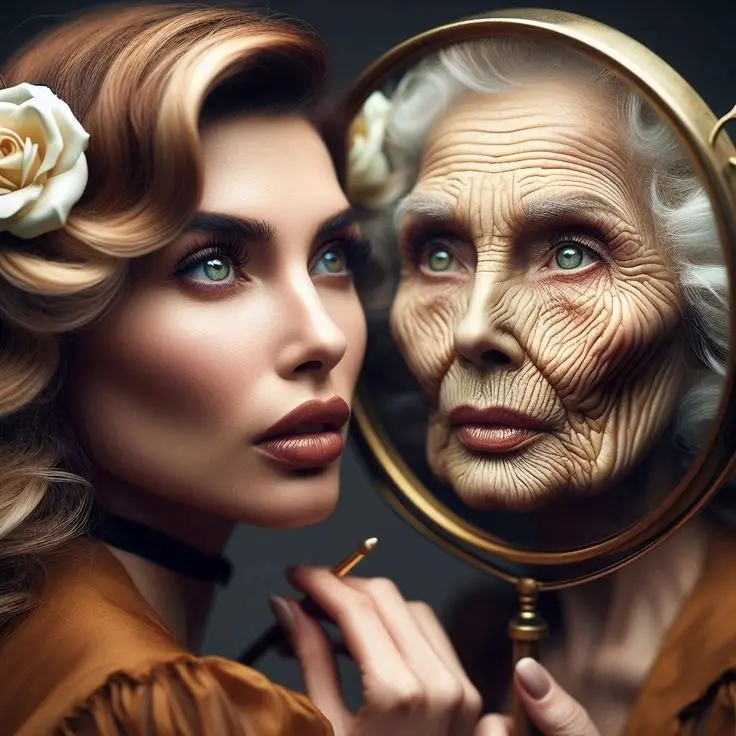
One of the biggest misconceptions about AI face restoration is that it “recovers” lost information.
In reality:
AI often generates likely details rather than recovering original ones.
For example:
A blurry eye may become a realistic eye.
However:
It may not be the person’s actual eye.
Understanding this distinction is essential.
Privacy, Safety & Commercial Use
Before using Face Enhancement Generation professionally:
Check:
- Privacy policy
- Commercial licensing
- Data retention policies
- Usage rights
Especially important for:
- Client photography
- Healthcare
- Government applications
- Sensitive personal images
Future Trends in Face Enhancement Generation
Diffusion-First Restoration
Diffusion models will increasingly replace GAN-based systems.
Real-Time Face Restoration
Live enhancement for:
- Video conferencing
- Streaming
- Broadcasting
Multi-Reference Restoration
AI will use multiple photos of the same person for higher accuracy.
3D Face Reconstruction
Single images will generate accurate 3D facial models.
Identity-Aware AI
Future systems will better preserve unique characteristics.
People Also Ask
A: Not perfectly. AI usually predicts realistic replacements rather than recovering original information.
A: No. Sharpening enhances existing pixels, while AI can reconstruct and generate entirely new details.
A: CodeFormer is often preferred for identity preservation, while GFPGAN remains popular for speed and ease of use.
A: Yes. Modern restoration systems can significantly improve damaged, blurry, or low-resolution portraits.
A: No. Generated details may appear realistic, but are not guaranteed to match reality.
Conclusion
Now here’s something different – face enhancement through AI keeps surprising people. Instead of just spotting faces, today’s tools rebuild them Piece by Piece. Picture a blurry photo coming back sharp, almost like time reversal. These systems mix old tricks with new learning models to fix what once seemed broken. Results show up clearly, even when the start was nearly lost.
Reality isn’t always what AI shows you – what appears is simply the version it guesses makes the most sense. That gap? It’s where real knowledge begins, far from flashy claims.
Picture takers, ad makers, artists, fact finders, companies – each gains something real when face improvement tech is handled with care. Step by step, as diffusion setups shift, so do transformers grow sharper along with tools that remember who someone looks like. Better results come through smarter learning machines building lifelike images bit by bit.
Picture where AI images are headed – face enhancement generation grabs attention fast. Not just a trend, it quietly redefines how photos feel, how creators build scenes, even how digital faces connect with real emotions. Years ahead, this shift sticks around, changing visuals without saying a word.