Introduction
AI image generation has evolved dramatically over the last few years, but one thing still sepAI image generation has evolved rapidly, but prompt engineering still separates average visuals from professional AI artwork. That’s why Midjourney prompts are now one of the biggest topics in the AI art industry.
Most beginners use random keywords and get inconsistent results. Professional creators use structured prompting, cinematic composition, camera language, lighting, storytelling, style control, and advanced parameters to create stunning visuals consistently.
Unlike generic prompt lists, this guide is a complete Midjourney Prompt engineering masterclass for 2026. You’ll learn how Midjourney prompts really work, the perfect prompt formula, V6/V7 workflows, cinematic techniques, realistic photography prompting, lighting strategies, style references, character consistency, branding prompts, advanced parameters, and common mistakes to avoid.
Whether you’re a beginner, designer, marketer, YouTuber, or professional creator, this guide will help you create significantly better Midjourney images and understand the full science behind powerful AI-generated visuals.
What Are Midjourney Prompts?
A Midjourney prompt is the instruction you give the AI model to generate an image. But modern Midjourney prompting is far more advanced than typing a few descriptive words.
In 2026, prompting has evolved into a creative direction system that combines:
- photography language
- cinematic storytelling
- visual composition
- lighting design
- artistic style control
- technical rendering instructions
The better your prompt structure, the more control you have over the final image.
For example:
Weak Prompt
futuristic city
This is too vague.
Midjourney has very little visual direction.
Strong Prompt
futuristic cyberpunk megacity at night, cinematic rain, neon reflections, atmospheric fog, ultra detailed skyscrapers, shot on 35mm film, volumetric lighting, Blade Runner-inspired mood –ar 16:9 –stylize 200
This works better because it provides:
- a clear subject
- atmosphere
- camera direction
- lighting
- mood
- composition style
- rendering intent
That’s the difference between beginner prompting and professional prompt engineering.
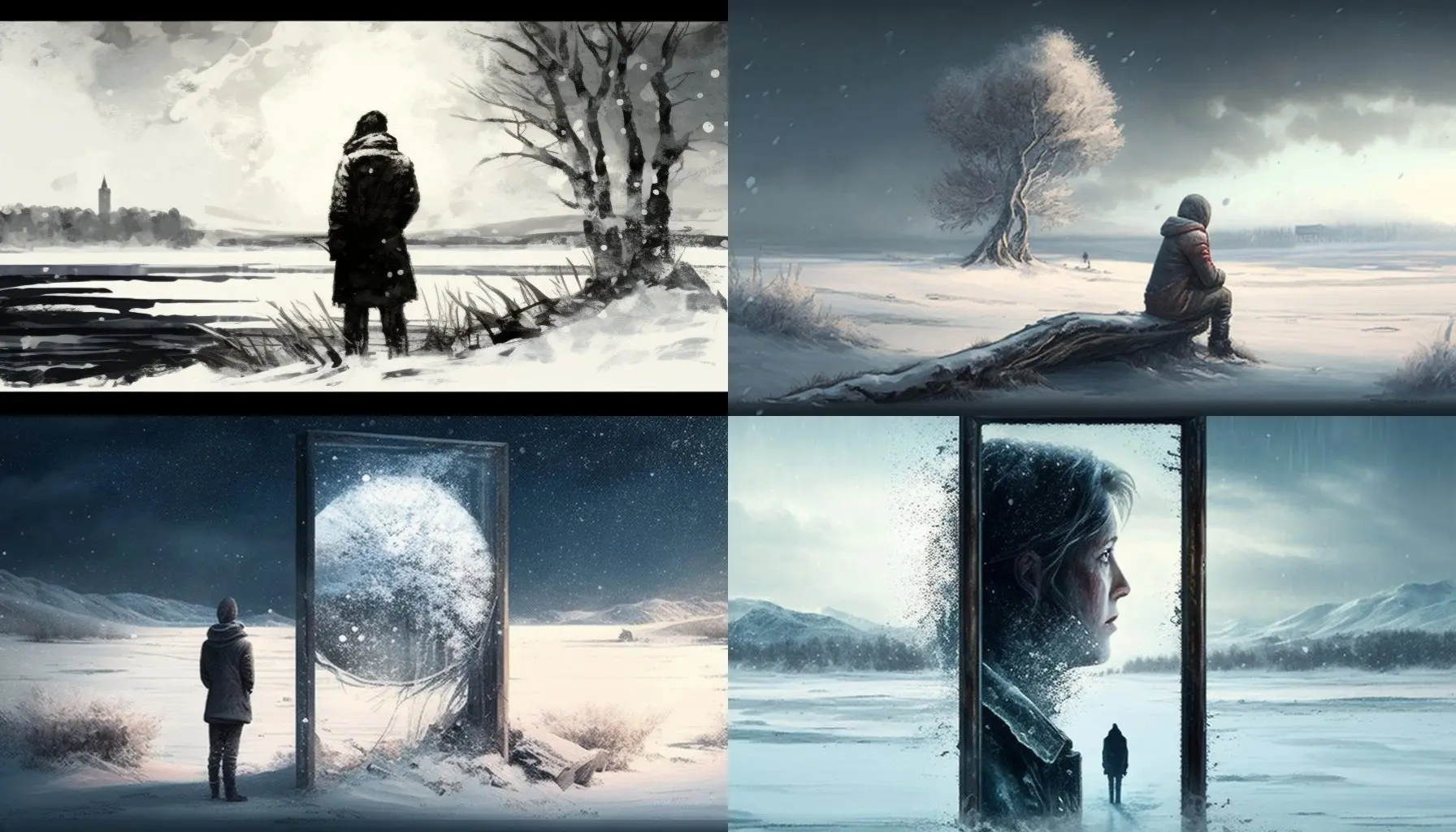
Why Midjourney Prompting Matters More in 2026
Midjourney V6 and V7 dramatically improved:
- realism
- natural language understanding
- image coherence
- text rendering
- cinematic interpretation
- prompt accuracy
Ironically, this also means poor prompts fail faster.
Older AI systems sometimes “filled in the gaps.” Modern Midjourney expects more intentional direction.
The creators getting the best results today understand:
- visual storytelling
- camera systems
- lighting psychology
- composition hierarchy
- cinematic framing
- prompt simplification
Modern AI art is no longer just about creativity.
It’s also about communication.
The AI can only generate what it understands clearly.
The Perfect Midjourney Prompt Formula
One of the biggest competitive advantages in Midjourney is learning structured prompting.
The highest-performing prompts usually follow this framework:
The Ultimate Prompt Formula
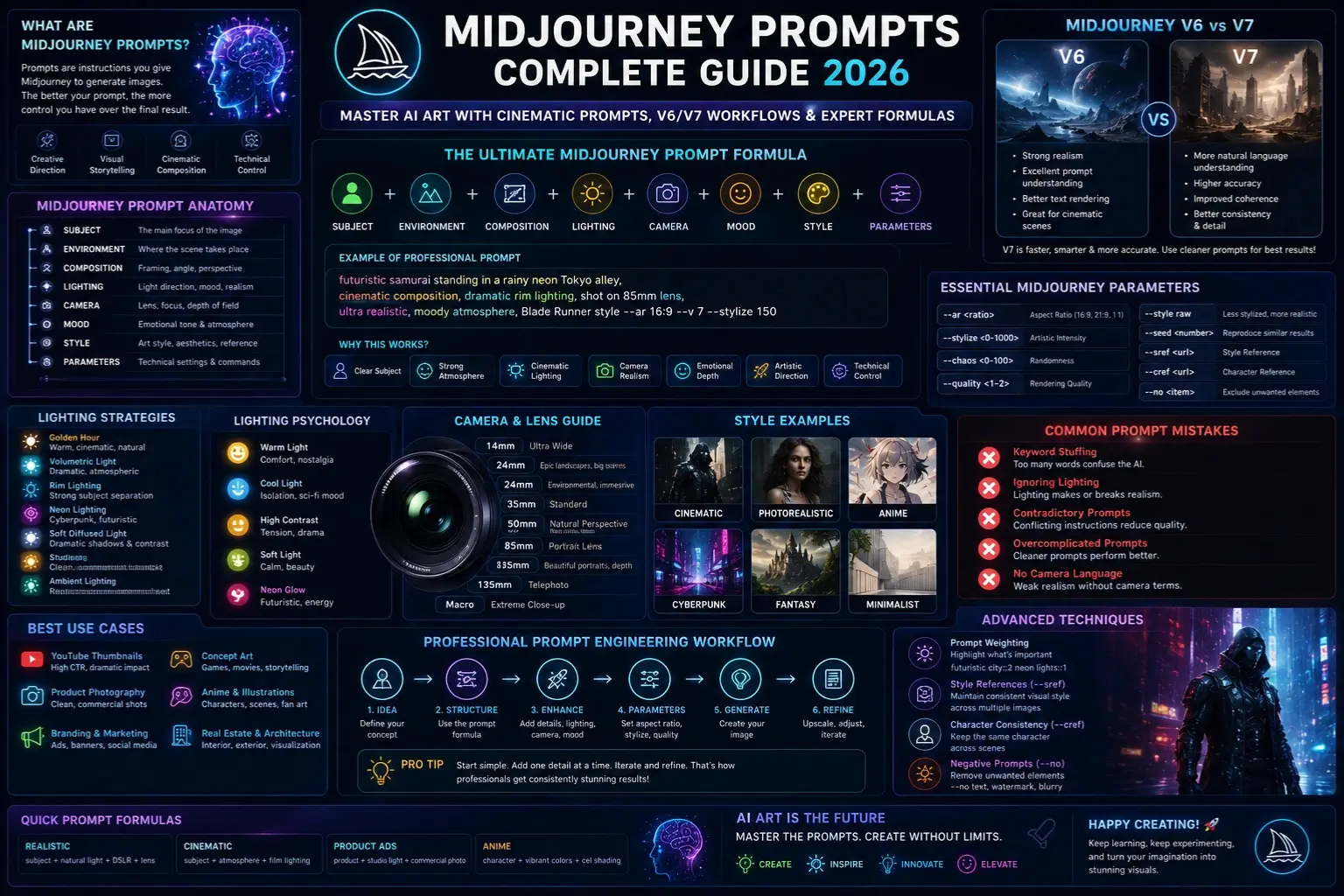
Subject + Environment + Composition + Lighting + Camera + Mood + Style + Parameters
This structure creates clarity.
Instead of overwhelming Midjourney with random keywords, you guide the AI step-by-step.
Prompt Formula Breakdown
| Element | Purpose | Example |
| Subject | Main focus | futuristic samurai |
| Environment | Scene context | rainy Tokyo alley |
| Composition | Framing | cinematic close-up |
| Lighting | Mood & realism | neon rim lighting |
| Camera | Photography realism | 85mm lens |
| Mood | Emotional tone | mysterious atmosphere |
| Style | Artistic direction | ultra realistic |
| Parameters | Technical controls | –ar 16:9 |
Midjourney Prompt Anatomy Explained
Understanding prompt anatomy helps you gain significantly more control over image quality and consistency.
Subject Hierarchy
Midjourney prioritizes earlier concepts in a prompt.
Example:
astronaut exploring ancient jungle ruins
The AI focuses mainly on:
- astronaut
- jungle ruins
- exploration scene
Your most important subject should usually appear near the beginning.
Descriptive Modifiers
Modifiers shape visual quality.
Examples:
- cinematic
- atmospheric
- ultra-detailed
- photorealistic
- intricate textures
- Moody Lighting’s
- editorial style
However, excessive modifiers can reduce image quality.
Avoid keyword stuffing.
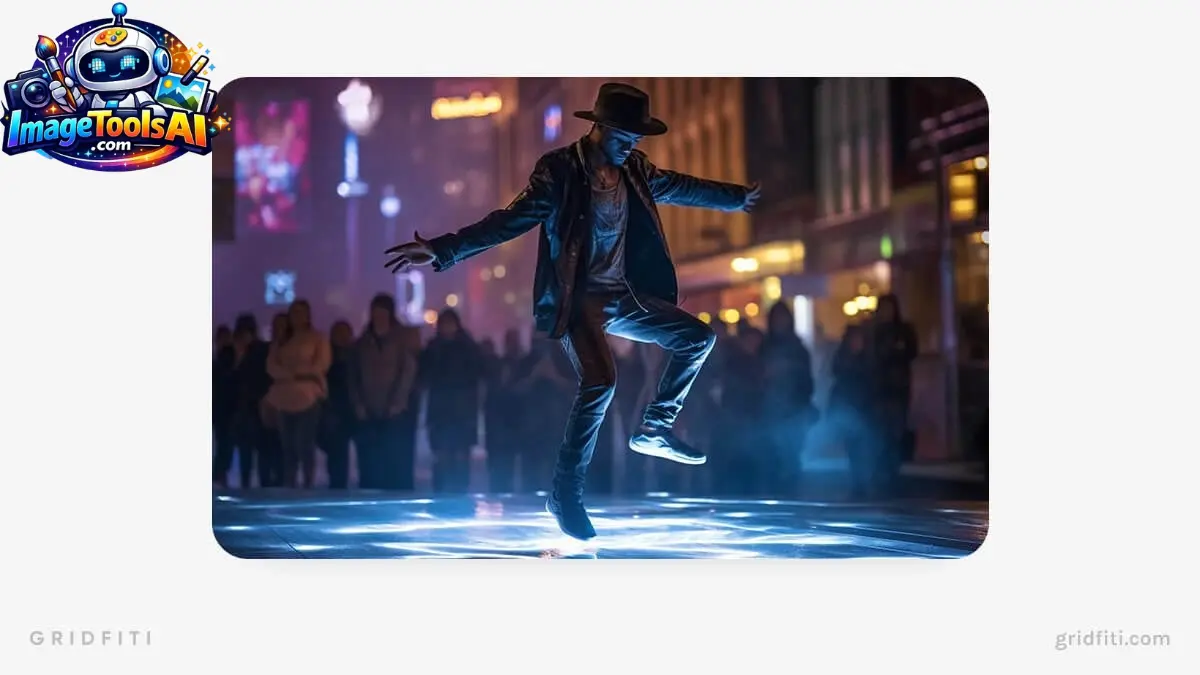
Camera Language
Professional prompting often uses photography terminology.
Examples:
- 35mm lens
- shallow depth of field
- DSLR photo
- cinematic framing
- bokeh
- wide-angle shot
- macro photography
These keywords dramatically improve realism.
Lighting Direction
Lighting affects:
- realism
- mood
- emotional tone
- depth
- cinematic quality
Many poor AI images fail because the lighting feels unnatural.
Professionals often build prompts around lighting first.
Essential Midjourney Parameters
Parameters are one of the most powerful parts of Midjourney prompting.
They control:
- aspect ratio
- artistic intensity
- randomness
- realism
- consistency
- stylization
Most Important Midjourney Parameters
| Parameter | Purpose |
| ar | Aspect ratio |
| stylize | Artistic intensity |
| chaos | Randomness |
| quality | Rendering quality |
| weird | Experimental outputs |
| style raw | Less stylized realism |
| seed | Image consistency |
| sref | Style reference |
| cref | Character consistency |
| v 6 | Use Version 6 |
| v 7 | Use Version 7 |
Example Parameter Workflow
cinematic desert traveler, golden hour lighting, ultra realistic, film grain –ar 21:9 –stylize 100 –quality 2 –v 7
This prompt creates:
- cinematic widescreen composition
- moderate artistic stylization
- higher-quality rendering
- latest model generation
Best Lighting Keywords for Midjourney
| Lighting Style | Effect |
| Golden hour | Warm cinematic realism |
| Volumetric lighting | Dramatic atmosphere |
| Rim lighting | Strong subject separation |
| Soft diffused light | Natural portraits |
| Neon lighting | Cyberpunk aesthetic |
| Chiaroscuro | Deep dramatic shadows |
| Studio lighting | Commercial clean look |
| Ambient lighting | Realistic environments |
Lighting Psychology in AI Art
Different lighting styles create different emotions.
| Lighting | Emotional Effect |
| Warm light | Comfort & nostalgia |
| Cold blue light | Isolation & sci-fi mood |
| Harsh contrast | Tension & drama |
| Soft lighting | Calm & beauty |
| Neon glow | Futuristic atmosphere |
This is why cinematic prompts outperform random keyword prompts.
They guide emotion visually.
Midjourney Prompts for Business & Content Creators
Commercial prompting is rapidly growing in popularity.
Businesses now use Midjourney for:
- advertising
- social media
- branding
- thumbnails
- concept art
- product photography
YouTube Thumbnail Prompt
shocked tech reviewer with glowing AI interface, dramatic lighting, vibrant contrast, cinematic thumbnail composition
Product Photography Prompt
luxury smartwatch on reflective black surface, studio lighting, premium commercial photography
Branding Prompt
minimalist luxury coffee packaging concept, elegant typography spacing, modern branding aesthetic
Advanced Midjourney Prompt Engineering
This is where professional creators separate themselves from beginners.
Prompt Weighting
You can emphasize concepts using weights.
Example:
futuristic city::2 neon signs::1 rainy street::1
Higher numbers increase importance.
Style References
Style references improve consistency across projects.
Useful for:
- branding
- storytelling
- visual campaigns
- comic creation
Character Consistency
Use:
- consistent descriptors
- fixed wardrobe details
- same lighting style
- cref parameter
to improve recurring characters.
Negative Prompting
Negative prompts remove unwanted elements.
Example:
realistic portrait –no blurry eyes, extra fingers, distorted anatomy
Common Midjourney Prompt Mistakes
Keyword Stuffing
Bad example:
masterpiece amazing ultra realistic beautiful cinematic trending
Too many vague descriptors reduce clarity.
Ignoring Lighting
Lighting determines realism more than most keywords.
Contradictory Instructions
Example:
minimalist chaotic clean messy room
Conflicting instructions confuse the AI.
Overcomplicated Prompts
Many experienced users discovered that cleaner prompts perform better in V6 and V7.
Midjourney Prompt Cheat Sheet
Quick Prompt Formulas
| Goal | Formula |
| Realism | subject + natural light + DSLR + lens |
| Cinematic | subject + atmosphere + film lighting |
| Product Ads | product + studio light + commercial photo |
| Anime | character + vibrant colors + cel shading |
Midjourney V6 vs V7 Prompting
| Feature | V6 | V7 |
|—|—|
| Realism | Strong | Improved |
| Natural language | Excellent | More advanced |
| Text rendering | Better | More accurate |
| Prompt simplicity | Good | Even cleaner |
| Consistency | Improved | More stable |
Privacy, Safety & Commercial Use
As AI-generated content becomes mainstream, understanding commercial usage rights and privacy considerations is extremely important.
Before using Midjourney commercially:
- review licensing rules
- Verify copyright policies
- avoid trademark infringement
- Check commercial plan limitations
- understand privacy protections
Businesses should also avoid generating:
- misleading journalism visuals
- deceptive political content
- impersonation imagery
- unethical deepfake-style visuals
Professional creators typically combine Midjourney with:
- Photoshop
- Canva
- Adobe Firefly
- AI upscalers
- Figma
to create polished commercial results.
People Also Ask
A: Most professionals focus on:
lighting
composition
camera language
emotional direction
visual storytelling
rather than stuffing random keywords.
A: Not always.
Modern Midjourney versions often perform better with cleaner and more intentional prompts.
A: The 85mm lens is extremely popular for portraits, while the 35mm lens is widely used for cinematic storytelling.
A: Natural lighting, DSLR terminology, realistic textures, depth of field, and cinematic composition usually improve realism significantly.
Conclusion
Modern Midjourney prompting is no longer about randomly combining keywords and hoping for good results.
The best creators now use:
- cinematic composition
- photography language
- lighting psychology
- visual storytelling
- structured prompt systems
to create stunning AI-generated artwork.
Whether you’re:
- a beginner,
- designer,
- marketer,
- YouTuber,
- filmmaker,
- or an AI artist,
Learning prompt engineering gives you a massive creative advantage in 2026.
The most important lesson is simple:
Great AI art comes from intentional visual direction.
Focus on:
- lighting
- Composition
- mood
- camera realism
- prompt structure
And your Midjourney results will improve dramatically.
As AI image generation continues evolving, creators who understand prompt engineering will consistently outperform those relying on random keyword prompts.
For more advanced AI image generation tutorials, workflows, and creator guides, explore additional resources on ImageToolsAI.com.