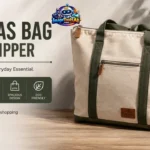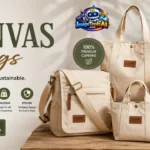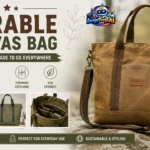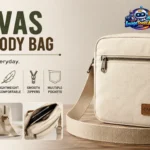
Introduction
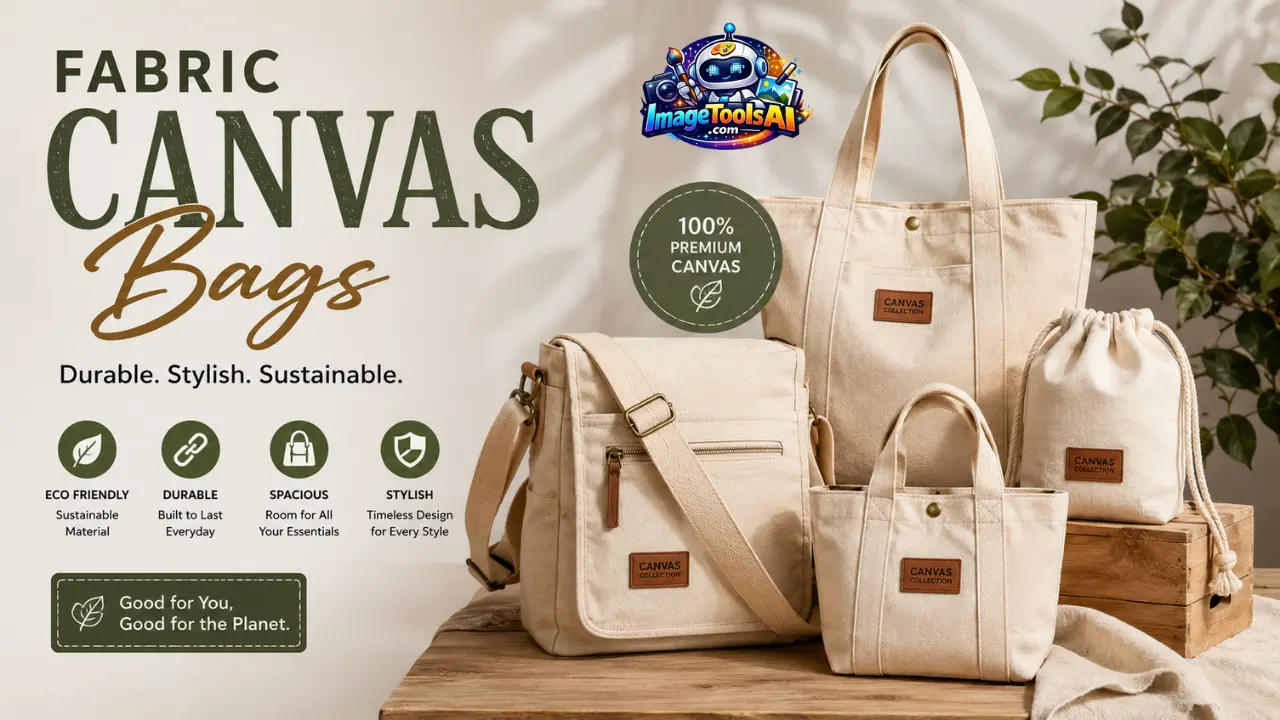
Plastic bags are gradually falling out of favor as both consumers and businesses seek more durable, reusable, and environmentally friendly options. Among the alternatives, fabric canvas bags have emerged as a top choice, valued for their strength, adaptability, and classic design. Whether you’re carrying groceries, Fabric Canvas Bags, heading to the office, advertising your brand, or purchasing in bulk, a well-crafted canvas bag delivers lasting utility.
Yet, quality varies significantly across products. Factors such as the grade of cotton, fabric thickness, weave technique, stitching precision, and finishing processes play a major role in a bag’s long-term performance. Too often, buyers prioritize looks or cost alone, missing key aspects that influence durability and practicality.
This detailed guide covers all essential aspects of canvas bags—from the production of canvas fabric and interpreting GSM ratings to comparing materials, assessing build quality, and selecting the best option for your specific needs. You’ll also gain insights into recognizing premium fabrics, navigating sustainability labels, and steering clear of frequent purchasing errors—whether you’re buying for personal use, retail, design, or wholesale purposes
What Are Fabric Canvas Bags?
Quick Answer
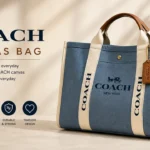
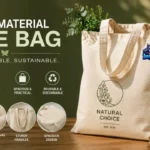
Fabric canvas bags are reusable bags made from durable woven fabrics, most commonly cotton canvas. They are valued for their strength, versatility, customization options, and eco-friendly nature. Depending on the fabric weight and construction, canvas bags can be used for shopping, travel, work, promotional events, and everyday carrying.
A Brief History of Canvas
The word “canvas” originates from the Latin word cannabis, referring to hemp, one of the earliest fibers used to create heavy-duty cloth. Historically, canvas was used for:
- Ship sails
- Military tents
- Backpacks
- Wagon covers
- Tool rolls
- Artist painting surfaces
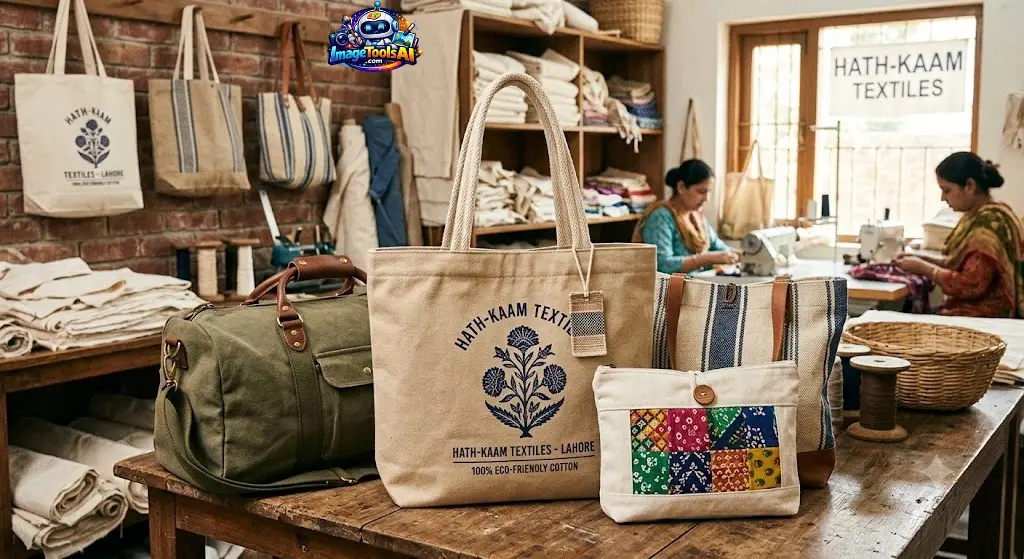
As cotton became more widely available, manufacturers transitioned to cotton canvas due to its softer feel and easier processing. Today, canvas remains a preferred material for fashion accessories, promotional products, work bags, and sustainable shopping solutions.
Why Canvas Remains Popular Today
Several factors contribute to the continued popularity of fabric canvas bags:
- Exceptional durability
- Reusability
- Natural appearance
- Easy customization
- Comfortable carrying
- Wide variety of sizes and styles
- Compatibility with many printing methods
These qualities make canvas suitable for both personal and commercial applications.
Why Fabric Canvas Bags Are So Popular
The growing demand for reusable products has increased interest in canvas bags across industries. Businesses appreciate their branding potential, while consumers value their practicality and environmental benefits.
Outstanding Durability
High-quality canvas can withstand years of regular use without losing structural integrity. Compared with thin plastic or lightweight synthetic materials, canvas is significantly more resistant to tears and punctures.
Heavy-duty canvas bags often support substantial weight, making them suitable for groceries, books, tools, and travel essentials.
Environmentally Friendly Choice
Reusable canvas bags help reduce reliance on single-use plastics. When produced using organic or recycled fibers and cared for properly, they can remain functional for hundreds of uses, lowering overall waste.
Many manufacturers now offer:
- Organic cotton canvas
- Recycled cotton canvas
- Low-impact dyes
- Plastic-free packaging
- PFAS-free water-resistant finishes
Highly Customizable
Canvas provides an excellent surface for branding. Businesses frequently use canvas bags for:
- Corporate giveaways
- Retail Packaging
- Event promotions
- Trade shows
- Educational institutions
- Nonprofit campaigns
Popular decoration methods include:
- Screen printing
- Embroidery
- Heat transfer
- Digital printing
- Direct-to-film (DTF)
Timeless Style
Canvas has a clean, natural appearance that complements casual, professional, and outdoor lifestyles. Designers often combine canvas with leather, cork, recycled materials, or metal hardware to create premium-looking products.
Excellent Value
Although canvas bags generally cost more upfront than disposable alternatives, their long lifespan makes them far more economical over time.
Investing in one durable bag can replace dozens—or even hundreds—of single-use bags.
Mini Summary
Fabric canvas bags have become a preferred choice because they balance durability, sustainability, affordability, and customization. Their versatility allows them to serve both everyday consumers and businesses seeking long-lasting branded products.
How Canvas Fabric Is Made
Understanding how canvas is manufactured helps buyers recognize differences in quality and choose products suited to their intended use.
Step 1: Cotton Harvesting
The process begins with harvesting cotton fibers. Premium canvas often starts with longer cotton fibers, which produce stronger and smoother yarns.
Higher-quality fibers generally result in:
- Better durability
- Less pilling
- Improved appearance
- Greater tensile strength
Step 2: Cleaning and Spinning
After harvesting, cotton is cleaned to remove seeds and impurities. The fibers are then spun into yarns of varying thickness depending on the desired fabric characteristics.
The yarn quality influences:
- Fabric strength
- Surface texture
- Print quality
- Longevity
Step 3: Weaving
The yarns are woven together using industrial looms.
Common weaving methods include:
- Plain weave
- Duck weave
- Twill weave
- Basket weave
The weave determines flexibility, appearance, and resistance to wear.
Step 4: Fabric Finishing
Once woven, manufacturers apply finishing treatments to improve performance.
Examples include:
- Pre-shrinking
- Soft washing
- Dyeing
- Water-resistant coatings
- Wax treatments
- Anti-mildew finishes
Each treatment changes how the fabric feels and performs in different environments.
Step 5: Quality Testing
Professional manufacturers perform quality checks before production.
Typical tests include:
- Tensile strength
- Tear resistance
- Abrasion resistance
- Colorfastness
- Shrinkage
- Seam slippage
- Fabric weight verification
These evaluations help ensure consistent product performance.
Types of Canvas Fabric Used for Bags
Not all canvas fabrics are the same. Choosing the right material depends on intended use, durability requirements, budget, and sustainability goals.
Cotton Canvas
Cotton canvas is the most widely used option due to its softness, breathability, and versatility. It is suitable for shopping bags, tote bags, promotional products, and everyday accessories.
Best for:
- Grocery bags
- Tote bags
- Daily carry
- Promotional bags
Cotton Duck Canvas
Despite its name, “duck” does not refer to the animal. It comes from the Dutch word doek, meaning cloth.
Duck canvas features a tighter weave than standard canvas, making it:
- Stronger
- Smoother
- More abrasion-resistant
- Better suited for heavy-duty applications
Common uses include work bags, tool bags, travel duffels, and premium tote bags.
Organic Cotton Canvas
Organic canvas is produced from cotton grown without synthetic pesticides or genetically modified seeds.
Benefits include:
- Reduced environmental impact
- Safer farming practices
- Premium brand positioning
- Consumer appeal among eco-conscious buyers
Many products carry certifications such as GOTS or OEKO-TEX to verify responsible production.
Recycled Canvas
Recycled canvas incorporates reclaimed cotton fibers, reducing textile waste and lowering the demand for virgin materials.
Advantages include:
- Lower environmental footprint
- Resource conservation
- Support for circular manufacturing
Because recycled fibers can vary in quality, buyers should verify fabric strength and certification standards.
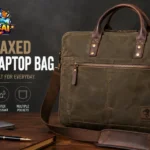
Waxed Canvas
Waxed canvas receives a protective wax coating that enhances water resistance while giving the fabric a rugged, vintage appearance.
It is commonly used for:
- Messenger bags
- Outdoor gear
- Camera bags
- Travel accessories
- Utility bags
Waxed canvas develops a distinctive patina over time, making each bag unique.
Polyester Canvas Blends
Some manufacturers blend cotton with polyester to improve wrinkle resistance, moisture management, and dimensional stability.
These blends are often chosen when lower cost or increased weather resistance is desired.
Mini Summary
Each canvas fabric type offers different advantages. Cotton canvas provides everyday versatility, duck canvas excels in durability, organic and recycled options support sustainability, waxed canvas adds weather resistance, and blended fabrics balance performance with affordability.
Canvas Fabric Weight Guide
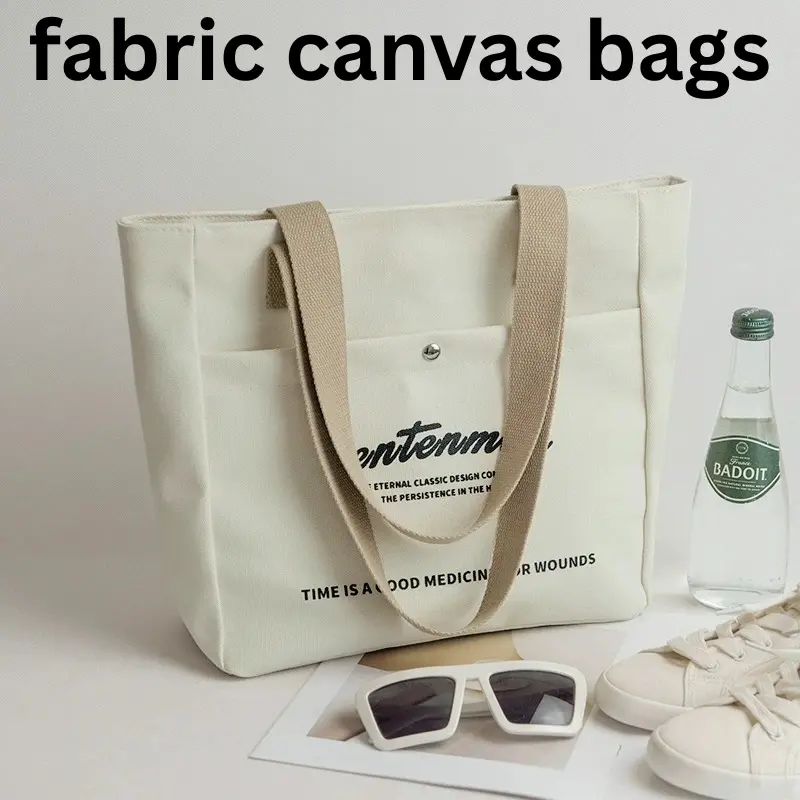
One of the biggest mistakes buyers make is choosing a canvas bag based only on appearance. The fabric weight, usually measured in GSM (grams per square meter) or ounces per square yard (oz), has a direct impact on durability, structure, and intended use.
A lightweight tote used for giveaways has very different requirements from a heavy-duty travel bag or tool tote.
What Is GSM?
GSM (Grams per Square Meter) measures the weight and density of fabric.
In general:
- Higher GSM = thicker, stronger fabric
- Lower GSM = lighter, softer fabric
Keep in mind that higher GSM doesn’t automatically mean “better.” The right weight depends on the bag’s intended purpose.
What Does Ounce Canvas Mean?
In countries like the United States, manufacturers often describe canvas by ounces (oz).
Although GSM and ounces are different measurement systems, they both indicate fabric weight.
Fabric Weight Comparison
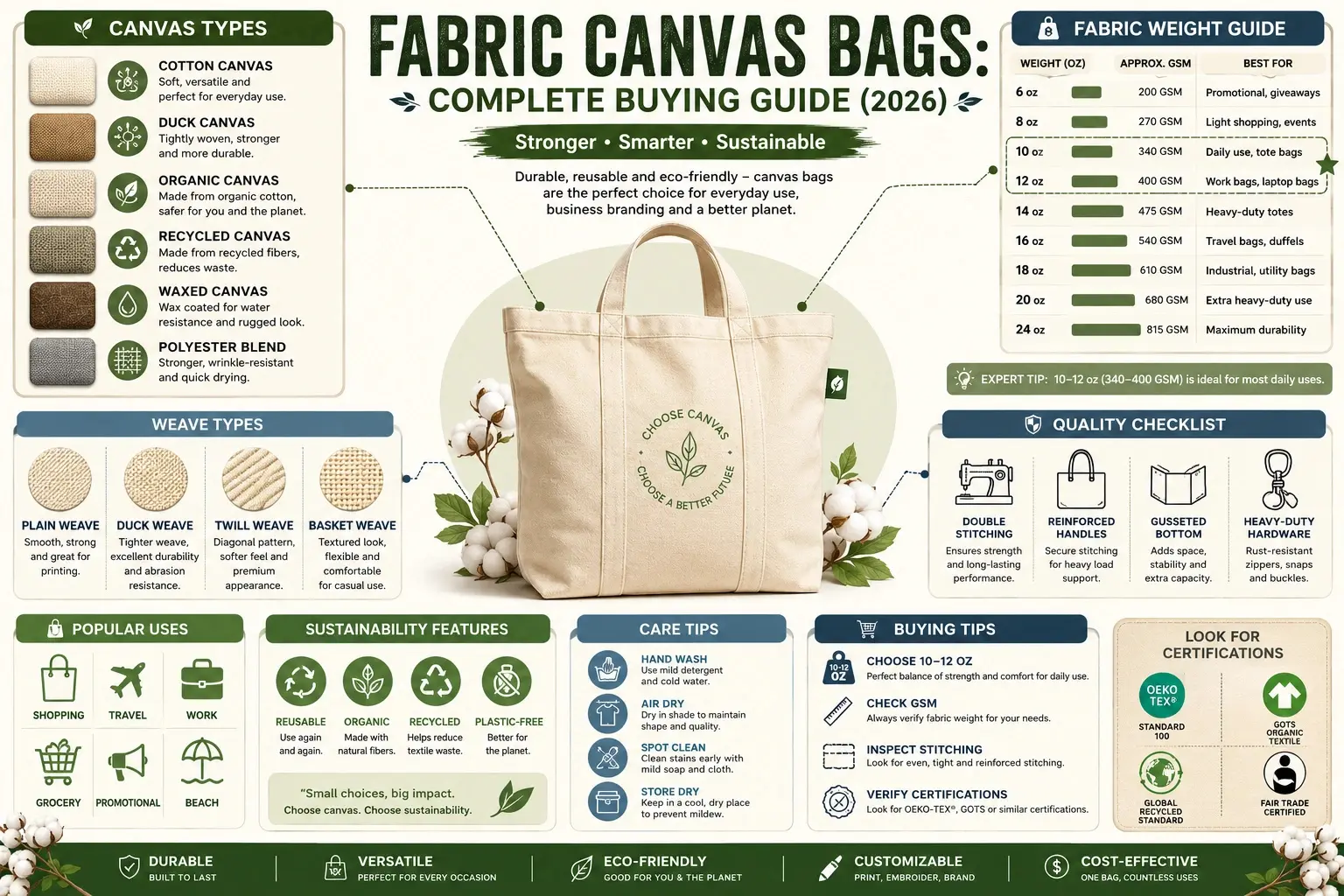
| Canvas Weight | Approx. GSM | Best For |
| 6 oz | 200 GSM | Promotional bags, giveaways |
| 8 oz | 270 GSM | Grocery totes, shopping bags |
| 10 oz | 340 GSM | Daily-use tote bags |
| 12 oz | 400 GSM | Laptop bags, work bags |
| 14 oz | 475 GSM | Heavy-duty tote bags |
| 16 oz | 540 GSM | Travel bags, duffels |
| 18–24 oz | 610–815 GSM | Industrial and utility bags |
Expert Tip: For most consumers, 10–12 oz (340–400 GSM) offers the best balance of durability, weight, and comfort.
Which Fabric Weight Should You Choose?
Lightweight Canvas
Best for:
- Promotional bags
- Gift bags
- Event giveaways
- Lightweight shopping
Pros
- Affordable
- Easy to fold
- Comfortable to carry
Cons
- Lower load capacity
- Wears out faster
Medium-Weight Canvas
This is the most popular category.
Ideal for:
- Grocery shopping
- Office use
- School bags
- Everyday tote bags
It balances durability with portability.
Heavyweight Canvas
Heavy canvas is designed for demanding applications.
Suitable for:
- Travel duffels
- Tool bags
- Camera bags
- Outdoor gear
- Messenger bags
Industrial Canvas
Used for specialized products requiring maximum durability.
Examples include:
- Utility equipment
- Heavy-duty storage
- Commercial work bags
- Military gear
Mini Summary
Choose the fabric weight based on how you’ll use the bag—not simply the thickest option. For everyday use, medium-weight canvas offers the best overall performance.
Canvas Weaves Explained
Fabric weight is only one part of quality. The weave also affects durability, flexibility, texture, and appearance.
Plain Weave
Plain weave alternates warp and weft yarns evenly.
Benefits:
- Smooth appearance
- Good print quality
- Affordable
- Suitable for promotional products
Best for:
- Tote bags
- Grocery bags
- Printed canvas bags
Duck Weave
Duck canvas uses tightly woven yarns, making it denser than standard plain weave.
Advantages include:
- Greater tear resistance
- Better abrasion resistance
- Longer lifespan
- Improved shape retention
Ideal for:
- Tool bags
- Work bags
- Travel bags
- Premium totes
Twill Weave
Twill weave creates a recognizable diagonal pattern.
Benefits:
- Softer feel
- Better drape
- Attractive appearance
- Enhanced wrinkle resistance
Often used in:
- Fashion bags
- Premium handbags
- Designer accessories
Basket Weave
Basket weave groups yarns together to create a textured appearance.
Characteristics:
- Flexible
- Decorative
- Lightweight
- Comfortable
Common applications include:
- Beach bags
- Casual tote bags
- Lifestyle accessories
Weave Comparison Table
| Weave Type | Durability | Appearance | Best Application |
| Plain | Good | Smooth | Everyday totes |
| Duck | Excellent | Dense | Heavy-duty bags |
| Twill | Very Good | Premium | Fashion bags |
| Basket | Moderate | Textured | Beach & casual bags |
How to Choose the Best Fabric Canvas Bag
Buying the right canvas bag requires more than comparing prices.
Use the following checklist to make an informed decision.
Define Your Purpose
Ask yourself:
- Daily commuting?
- Grocery shopping?
- Travel?
- Work?
- School?
- Business promotion?
Your intended use should guide every other buying decision.
Select the Right Fabric
Consider:
- Cotton canvas
- Organic canvas
- Duck canvas
- Waxed canvas
- Recycled canvas
Each material offers different strengths.
Check the Fabric Weight
For most users:
- 8 oz: light shopping
- 10 oz: everyday use
- 12 oz: premium tote
- 14–16 oz: heavy-duty use
Avoid buying bags without fabric weight information, especially for bulk orders.
Inspect the Stitching
High-quality stitching often determines how long a bag lasts.
Look for:
- Double stitching
- Cross stitching
- Reinforced seams
- Bar tack reinforcement
- Clean thread finishing
Poor stitching is one of the most common causes of bag failure.
Evaluate the Handles
Handles experience the greatest stress.
Choose:
- Reinforced attachment points
- Thick webbing
- Comfortable grip
- Even stitching
- Strong load distribution
Consider Closures
Depending on your needs, look for:
- Zippers
- Magnetic snaps
- Buttons
- Drawstrings
- Velcro
A secure closure protects your belongings and improves usability.
Assess Storage Features
Useful additions include:
- Interior pockets
- Laptop sleeves
- Bottle holders
- Key clips
- Exterior compartments
Organization can significantly improve the user experience.
Think About Water Resistance
Standard cotton canvas absorbs water.
If you’ll use the bag outdoors, consider:
- Waxed canvas
- Water-resistant coatings
- Durable water-repellent (DWR) finishes
Keep in mind that water-resistant fabrics are not always fully waterproof.
Review Printing Compatibility
If you’re buying for branding, confirm the bag works well with your preferred decoration method.
Different printing methods suit different fabrics and artwork complexity.
Expert Buying Checklist
| Feature | Recommended Standard |
| Fabric | Cotton or Duck Canvas |
| Weight | 10–12 oz (340–400 GSM) |
| Stitching | Double stitched |
| Handles | Reinforced |
| Bottom | Boxed or gusseted |
| Hardware | Rust-resistant metal |
| Printing | Screen print compatible |
| Certification | OEKO-TEX or GOTS (if applicable) |
Fabric Quality Inspection Checklist
Whether you’re buying a single bag or sourcing thousands for your business, inspecting fabric quality helps avoid costly mistakes. Professional buyers evaluate far more than color and appearance.
What to Check Before Buying
Cotton Fiber Quality
Long-staple cotton generally produces stronger, smoother, and more durable canvas than short-staple cotton.
Look for:
- Even texture
- Minimal loose fibers
- Consistent weave
- Soft but firm feel
Fabric Weight
Verify that the advertised GSM or ounce rating matches the intended application.
A bag marketed as “heavy duty” should generally use at least 12 oz (400 GSM) canvas.
Stitch Density
Well-made bags feature evenly spaced stitches with no skipped areas or loose threads.
Inspect:
- Straight seams
- Uniform stitching
- Reinforced stress points
- No unraveling
Shrinkage
Pre-shrunk canvas helps maintain the bag’s shape after washing.
Ask manufacturers whether the fabric has undergone shrinkage testing.
Colorfastness
Poor-quality dyes may bleed or fade after exposure to sunlight or washing.
Quality canvas should maintain its appearance through repeated use.
Abrasion Resistance
Frequent rubbing occurs at corners, bottoms, and handles.
Higher abrasion resistance generally indicates a longer product lifespan.
Tensile Strength
Tensile strength measures how much pulling force the fabric can withstand before tearing.
Heavy shopping, travel, and work bags benefit from higher tensile strength.
Handle Attachment
The handles should feel secure with reinforced stitching or rivets.
Weak handle attachment is one of the most common reasons canvas bags fail.
Popular Canvas Bag Sizes
Choosing the right size improves functionality and user satisfaction.
| Size | Typical Dimensions | Common Uses |
| Small | 10 × 12 in | Gifts, lunches |
| Medium | 14 × 16 in | Daily shopping |
| Large | 16 × 18 in | Groceries, books |
| Extra Large | 18 × 20+ in | Travel, beach, laundry |
Capacity Guide
Small
- Lunch
- Books
- Cosmetics
Medium
- Groceries
- Laptop
- Everyday essentials
Large
- Weekly Shopping
- Office supplies
- Sports equipment
Extra Large
- Travel gear
- Beach towels
- Laundry
How to Care for Fabric Canvas Bags
Proper care extends the lifespan of canvas bags and helps preserve their appearance.
Washing
- Shake out loose debris.
- Spot clean first when possible.
- Hand wash with mild detergent for most untreated canvas.
- Follow the manufacturer’s care instructions for machine-washable bags.
Drying
Air drying is generally preferred because high heat may cause shrinkage or affect coatings.
Stain Removal
Treat stains promptly using mild soap and a soft cloth. Avoid harsh bleach unless specifically recommended by the manufacturer.
Waxed Canvas Care
Do not machine wash waxed canvas. Clean gently with a damp cloth and reapply wax as needed to maintain water resistance.
Storage
Store bags in a cool, dry place away from prolonged direct sunlight to reduce fading and mildew risk.
Common Mistakes Buyers Make
Avoid these frequent mistakes:
- Buying based only on price
- Ignoring GSM or fabric weight
- Overlooking stitching quality
- Choosing the wrong bag size
- Forgetting to inspect handle reinforcement
- Assuming all “eco-friendly” claims are independently certified
- Selecting a printing method unsuitable for the fabric
- Failing to request samples before placing bulk orders
People Also Ask
A fabric canvas bag is a reusable bag made from densely woven canvas, most commonly cotton. It is valued for durability, versatility, and suitability for everyday shopping, travel, work, and promotional use.
Yes. A well-constructed canvas bag with reinforced stitching and medium- to heavyweight fabric can last for years with proper care.
For most users, 340–400 GSM (10–12 oz) provides an excellent balance of strength, weight, and comfort. Heavier fabrics are better for travel or industrial use.
Canvas offers a natural look, excellent printability, and strong sustainability credentials. Polyester provides greater water resistance and faster drying. The better choice depends on your intended use.
Many untreated cotton canvas bags can be hand washed with mild detergent. Always follow the manufacturer’s care instructions, especially for waxed or coated fabrics.
Conclusion
Fabric canvas bags have become one of the most practical and adaptable options for carrying everyday essentials. Whether you’re buying a single tote for regular use, looking for a durable travel companion, or ordering large quantities of custom bags for your company, knowing the details—like fabric composition, weight, weave, Construction Methods, and certifications—can guide you toward a more informed decision.
Instead of prioritizing looks or cost alone, consider the elements that influence durability over time: reinforced seams, sturdy hardware, suitable GSM (grams per square meter), and ethically sound production practices. A high-quality canvas bag not only lasts for years but also supports more sustainable consumption.
To deepen your understanding, explore additional resources on ImageToolsAI.com covering topics such as long-lasting canvas bags, tote designs, waxed canvas variants, bulk purchasing strategies, and custom printing options. Gaining insight into these areas will empower you to make choices that lead to greater confidence, performance, and value over time.