Introduction
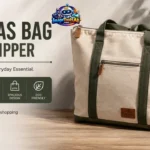
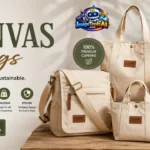
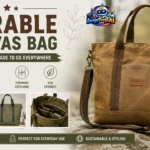
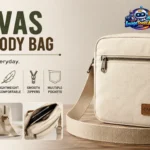
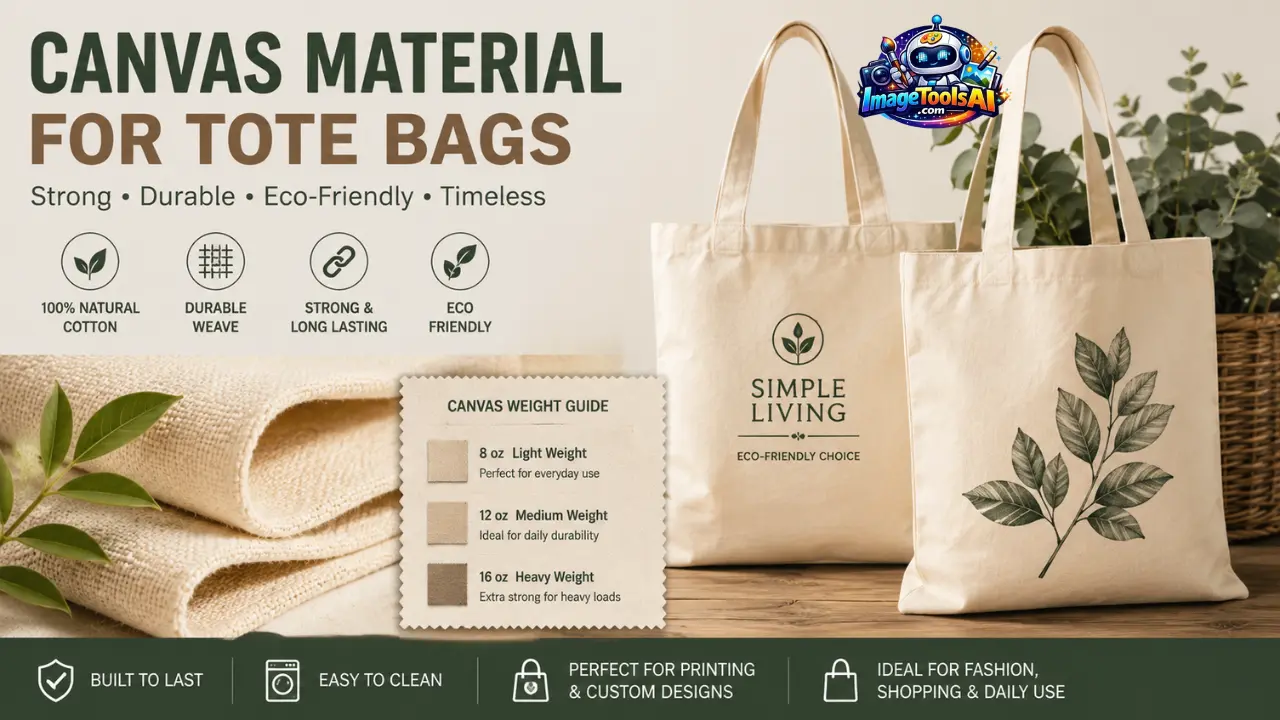
Canvas comes in many types and variations, so it is essential to know the differences between them before purchasing Canvas Material for Tote Bags.
Canvas is a reliable and affordable fabric that has become very popular due to its versatility. You can use it to make light shopping bags or heavy-duty work bags. This informative guide will teach you everything there is to know about canvas fabric, including the properties and characteristics of different types of canvas, such as organic canvas, waxed canvas, duck canvas, and more.
What Is Canvas Material?
This property makes canvas ideal for making tote bags, backpacks, tents, sails, clothing, upholstery, or any other products that require a sturdy material.
A bag made of canvas will be much more resistant to ripping and stretching due to tight weaving that distributes the load across the surface of the bag, making it especially suitable for everyday use.
What makes canvas unique?
Several characteristics distinguish canvas from many other fabrics:
- Thick woven construction for enhanced durability
- Excellent resistance to everyday wear and abrasion
- Strong enough to carry heavy loads without excessive stretching
- Compatible with multiple printing techniques, including screen printing and embroidery
- Available in a wide range of fabric weights
- Suitable for both casual and heavy-duty applications
- Often made from renewable cotton fibers and available in organic or recycled variants
Main Fiber Types Used in Canvas
| Fiber Type | Characteristics | Common Tote Bag Uses |
| Cotton Canvas | Soft, breathable, easy to print | Everyday shopping, promotional totes |
| Linen Canvas | Strong natural fibers with a premium texture | Luxury bags and fashion accessories |
| Polyester Canvas | Water-resistant, affordable, colorfast | Outdoor and sports bags |
| Cotton-Poly Blend | Combines softness with improved durability | Daily-use tote bags |
| Recycled Canvas | Made from reclaimed fibers to reduce waste | Sustainable and eco-friendly products |
Why Canvas Dominates the Tote Bag Industry
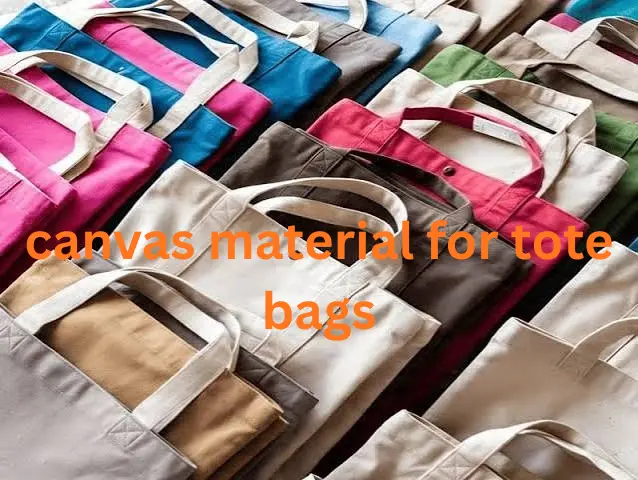
Canvas tote bags have been a staple item in the market for their versatility, affordability, and ability to be customized. Their practical use makes them perfect for companies that wish to promote their brand and for consumers who value the bag’s ability to be used over and over again.
Products made from canvas can be printed on with brand logos, making them useful in business settings. The canvas material is strong and lasts for years, and it can carry all kinds of items, including food, making it ideal for everyday use. The canvas tote bag is suitable for a wide range of needs, such as going to the grocery store or going on vacation. It is an incredibly versatile and reliable bag.
Quick Takeaway: If you’re looking for a fabric that balances strength, versatility, printability, and sustainability, canvas is one of the best choices available for tote bags.
A Brief History of Canvas Fabric
The fabric called canvas has a very old history that is difficult to track because of its long development period. First of all, the word canvas comes from the Latin word cannabis, which means that the original canvas was made from cannabis fibers. This material was very popular a long time ago because it was very strong and durable, which can be explained by the need for such products.
It was used both in ancient times and in the Middle Ages and could be found in various goods, such as sails, tents, and coverings. Sailors were the first to need canvas really badly because of the frequent need to use it in boats, and they are also the ones who contributed to the material becoming famous and respected all over the globe.
During the Industrial Revolution, canvas became increasingly popular, although at that time, most of it was made from cotton rather than hemp due to the ability to make different kinds of textiles from cotton and its relative softness. Moreover, the revolution brought many new weaving and dyeing technologies, which allowed for diversifying the products made from canvas and making them popular not only as rough fabrics but also as garments and accessories.
Now canvas is produced with various types of weaving machines, mostly made from organic, recycled, waxed, or mixed materials. However, its popularity and use have not changed significantly over time because the qualities that made it popular back then are still beneficial and sought after.
Evolution of Canvas Through the Years
| Era | Primary Material | Common Uses |
| Ancient Civilizations | Hemp | Sails, tents, coverings |
| Medieval Period | Hemp and linen | Military equipment, merchant sails |
| Industrial Revolution | Cotton | Workwear, bags, upholstery |
| Late 20th Century | Cotton and polyester blends | Fashion, luggage, promotional products |
| Modern Era | Organic cotton, recycled fibers, waxed canvas | Sustainable tote bags, outdoor gear, premium accessories |
Why Its History Matters Today
The long history of canvas reflects decades of refinement in textile engineering. Modern tote bags benefit from improved weaving techniques, stronger fibers, and eco-friendly production methods while preserving the durability that has defined canvas for generations.
Quick Takeaway: Canvas has evolved from heavy hemp sails used by ancient sailors to one of the most versatile fabrics for modern tote bags, combining traditional strength with contemporary sustainability.
How Canvas Fabric Is Made
Understanding how canvas is manufactured helps explain why different tote bags vary so much in strength, texture, and lifespan. Every stage of production—from fiber selection to finishing—affects the final quality of the fabric.
Fiber Selection
The process begins with selecting the raw material. Depending on the intended use, manufacturers may use:
- 100% cotton fibers
- Organic Cotton
- Linen fibers
- Polyester
- Cotton-polyester blends
- Recycled cotton fibers
Longer, cleaner fibers generally produce smoother, stronger yarns that enhance durability and appearance.
Spinning the Yarn
The fibers are cleaned, combed, and then twisted together to make yarn. The thickness of the yarn is important because it determines how tightly woven the canvas must be in order to be strong, soft, and pleasing to the eye. The better the quality of the yarn, the better the quality of the canvas.
Weaving the Fabric
The yarns are woven on industrial looms using two main directions:
- Warp yarns: Lengthwise threads held under tension.
- Weft yarns: Crosswise threads woven through the warp.
The density of this weave determines the fabric’s weight, strength, and flexibility. Tighter weaves typically produce stronger, more durable canvas.
Dyeing and Coloring
After weaving, the fabric may be dyed using various methods:
- Yarn dyeing for consistent color throughout the fibers.
- Piece dyeing after the fabric is woven.
- Natural dyeing for eco-conscious products.
Quality dyeing improves colorfastness, helping tote bags resist fading from washing and sunlight.
Finishing Treatments
Manufacturers apply finishing processes to enhance performance. Common treatments include:
- Pre-shrinking to reduce size changes after washing.
- Softening for a smoother feel.
- Water-resistant coatings.
- Wax treatments for outdoor use.
- Stain-resistant finishes.
These treatments influence how the fabric performs in different environments.
Quality Inspection
Before the fabric is used to manufacture tote bags, it undergoes quality checks for:
- Fabric weight
- Weave consistency
- Color accuracy
- Tensile strength
- Surface defects
- Shrinkage performance
Consistent quality control ensures that the finished tote bags meet durability and performance expectations.
Section Summary: Canvas manufacturing is a carefully controlled process that combines fiber selection, precise weaving, dyeing, and specialized finishing treatments. Each stage contributes to the fabric’s final strength, appearance, and suitability for different types of tote bags.
Types of Canvas Used for Tote Bags
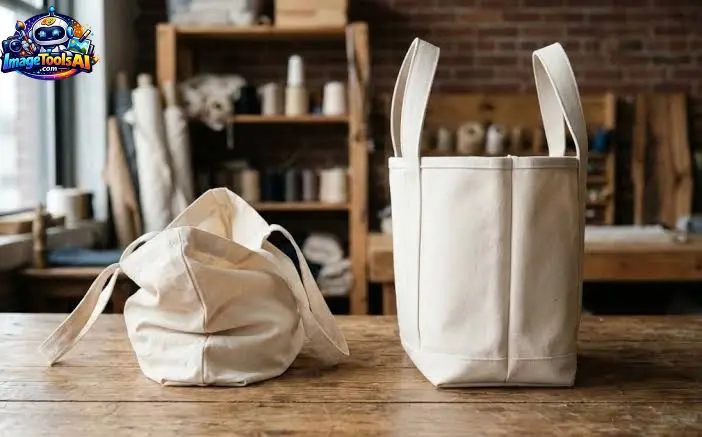
Not all canvas tote bags are created equal. Depending on the type of canvas, bags can differ significantly in terms of softness, durability, waterproofing, print quality, and cost. To ensure that you choose the right tote bag for you, it can be useful to understand the difference between different types of canvas material.
Below you will find an overview of the most common types of canvas material.
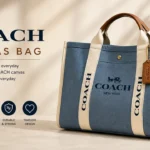
Cotton Canvas
Cotton canvas is the most demanded fabric for tote bags due to its comfort, durability, cost-effectiveness, and versatility.
The material is produced from natural cotton fibers, which makes it both comfortable and fairly durable. Moreover, cotton canvas is perfect for printing and dyeing, which is why many companies producing branded, promotional, and personalized tote bags prefer this fabric.
Advantages
- Soft and comfortable to carry
- Excellent for screen printing and embroidery
- Breathable natural fiber
- Affordable and widely available
- Easy to wash and maintain
- Biodegradable when untreated
Limitations
- Can shrink slightly after washing
- Less water-resistant than treated fabrics
- May wrinkle over time
Best Uses
- Grocery shopping
- School bags
- Daily errands
- Promotional merchandise
- Book totes
- Craft projects
Expert Tip: For most consumers, 10–12 oz cotton canvas provides the best combination of strength, comfort, and value.
Duck Canvas
While it might be confusing, duck canvas isn’t actually made from ducks. The reason behind the name is unknown, but it could have something to do with the Dutch word for cloth, doek
.
Duck canvas, compared to regular canvas, is woven more tightly and closely, making it much stronger and more durable. It is also heavier than regular canvas, while being stiff and difficult to work with.
Advantages
- Extremely durable
- Higher tear resistance
- Better abrasion resistance
- Handles heavy loads well
- Long service life
Limitations
- Heavier than regular canvas
- Slightly stiffer feel
- Usually costs more
Best Uses
- Laptop bags
- Tool bags
- Heavy grocery totes
- Travel Bags
- Outdoor gear
- Work bags
Expert Recommendation: Choose 14–18 oz duck canvas if your tote regularly carries laptops, books, or heavy equipment.
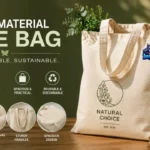
Organic Canvas
Organic canvas is made from cotton that is grown without the use of chemical pesticides or genetically modified seeds.
It is similar to regular cotton canvas in many ways, but is produced in a more eco-friendly way.
Many companies also use certifications to show that their products are made in an environmentally responsible way.
Advantages
- Environmentally responsible
- Soft texture
- Excellent print quality
- Renewable natural fibers
- Supports sustainable agriculture
Limitations
- Higher price
- Limited color selection from some suppliers
Best Uses
- Eco-conscious brands
- Sustainable retail products
- Premium reusable shopping bags
- Ethical fashion collections
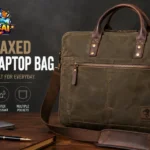
Waxed Canvas
Waxed canvas is regular canvas coated with wax to improve water resistance and weather protection.
The wax penetrates the fabric while maintaining flexibility, creating a rugged appearance that develops a unique patina over time.
Advantages
- Excellent water resistance
- Rugged outdoor appearance
- Wind resistant
- Highly durable
- Ages beautifully
Limitations
- Heavier than untreated canvas
- Requires occasional rewaxing
- Not ideal for machine washing
Best Uses
- Travel bags
- Camping gear
- Outdoor markets
- Photography bags
- Adventure totes
Recycled Canvas
Thanks to modern technology, manufacturers are now able to create high-quality materials while eliminating waste and preserving resources.
Advantages
- Reduces textile waste
- Lower environmental impact
- Supports circular manufacturing
- Attractive eco-friendly branding
Limitations
- Quality varies by manufacturer
- May contain blended recycled fibers
Best Uses
- Sustainable product lines
- Corporate giveaways
- Eco-friendly retailers
- Environmentally conscious consumers
Polyester Canvas
While it may not have the appeal of natural fibers, it is generally more resistant to moisture and maintains its color.
Advantages
- Water resistant
- Fade resistant
- Strong dimensional stability
- Dries quickly
- Lower maintenance
Limitations
- Less breathable
- Less eco-friendly
- Doesn’t have the traditional canvas texture
Best Uses
- Beach bags
- Outdoor sports
- Gym Totes
- Marine environments
Cotton-Polyester Blend Canvas
Blended canvas combines cotton’s softness with polyester’s durability.
Manufacturers often use blends to reduce wrinkles, minimize shrinkage, and improve longevity.
Advantages
- Durable
- Comfortable
- Better wrinkle resistance
- Reduced shrinkage
- Cost-effective
Best Uses
- Business promotional bags
- Everyday tote bags
- School bags
- Retail merchandise
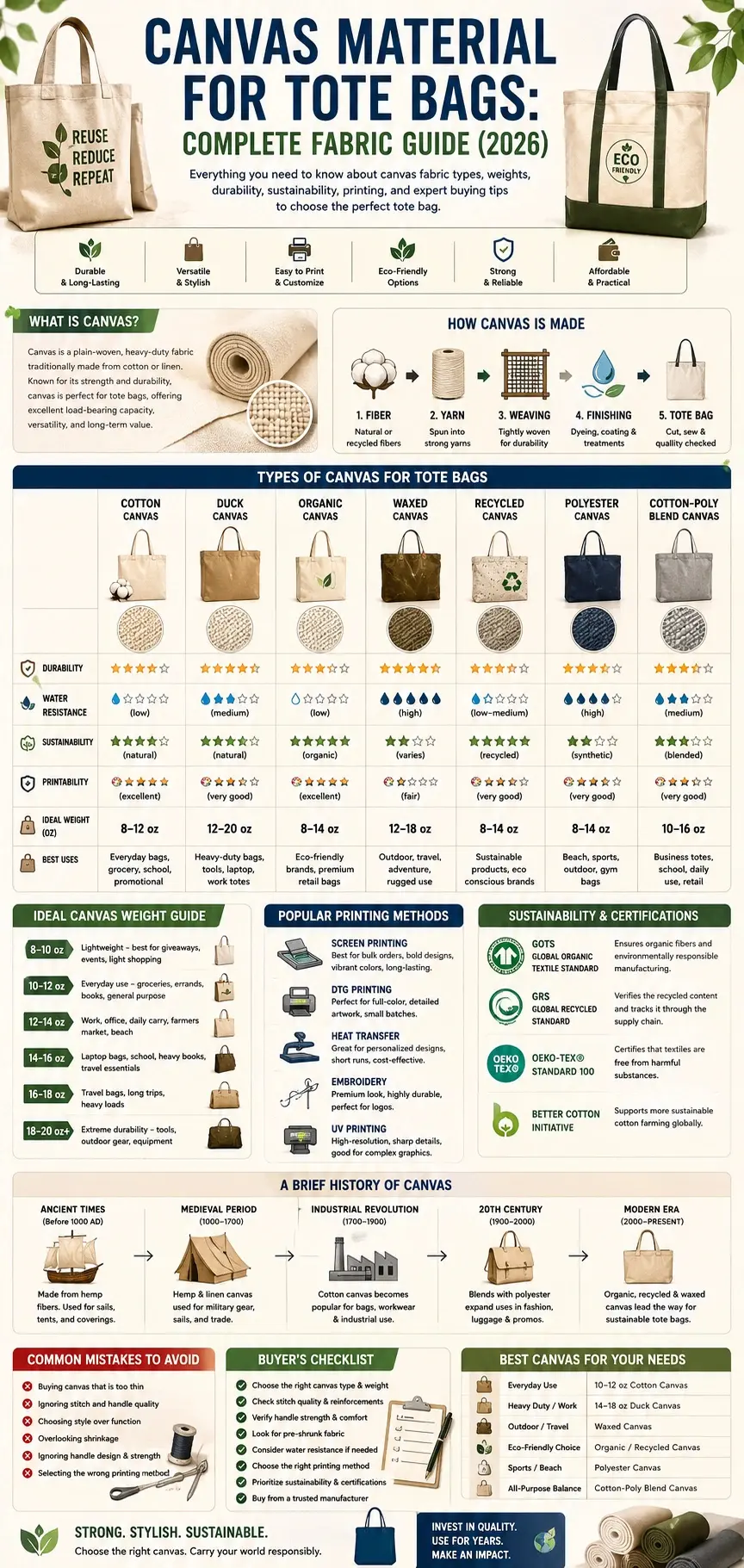
Quick Comparison of Canvas Types
| Canvas Type | Durability | Water Resistance | Sustainability | Print Quality | Best For |
| Cotton Canvas | ★★★★☆ | ★★☆☆☆ | ★★★★☆ | ★★★★★ | Everyday use |
| Duck Canvas | ★★★★★ | ★★★☆☆ | ★★★★☆ | ★★★★☆ | Heavy-duty bags |
| Organic Canvas | ★★★★☆ | ★★☆☆☆ | ★★★★★ | ★★★★★ | Eco-conscious buyers |
| Waxed Canvas | ★★★★★ | ★★★★★ | ★★★☆☆ | ★★☆☆☆ | Outdoor use |
| Recycled Canvas | ★★★★☆ | ★★☆☆☆ | ★★★★★ | ★★★★☆ | Sustainable brands |
| Polyester Canvas | ★★★★☆ | ★★★★☆ | ★★☆☆☆ | ★★★★☆ | Sports & outdoor |
| Cotton Blend | ★★★★☆ | ★★★☆☆ | ★★★☆☆ | ★★★★★ | General-purpose totes |
Section Summary
Each canvas type has its own use. Cotton canvas is good for all-purpose use, duck canvas is right for heavy-duty use, waxed canvas is perfect for outdoor use, and organic or recycled canvas is a good choice for the eco-conscious shopper.
Eco-Friendly Benefits of Canvas
As more consumers turn to sustainable alternatives to plastic bags, canvas tote bags have become a popular reusable alternative.
But how sustainable these bags are depends on how the canvas was sourced, produced, and used.
Organic Cotton Canvas
Organic cotton is grown without synthetic pesticides or genetically modified seeds.
Benefits include:
- Reduced chemical use
- Improved soil health
- Lower environmental impact
- Safer farming practices
Recycled Canvas
Recycled canvas helps reduce textile waste by giving discarded fibers a second life.
Benefits include:
- Less landfill waste
- Reduced demand for virgin cotton
- Lower resource consumption
- Supports circular manufacturing
Biodegradability
Untreated cotton and linen canvas are biodegradable, meaning they naturally break down over time.
Synthetic coatings and polyester blends may reduce biodegradability.
Reusability
A reusable canvas tote can replace hundreds, or even thousands, of throwaway plastic bags.
This extended use often has a bigger impact on the environment than just the production of the tote itself.
Certifications to Look For
If sustainability is important, consider products certified by recognized standards such as:
- Global Organic Textile Standard (GOTS)
- OEKO-TEX® Standard 100
- Global Recycled Standard (GRS)
- Better Cotton
These certifications help verify environmental and social responsibility across the supply chain.
Sustainability Takeaway
The most eco-friendly canvas tote is one that is:
- Made from responsibly sourced materials
- Durable enough for years of use
- Properly maintained
- Reused frequently
Longevity is a key part of sustainability.
Best Canvas Weight for Different Uses
Choosing the right fabric weight depends on how the tote bag will be used.
| Use | Recommended Canvas |
| Grocery Shopping | 10–12 oz Cotton Canvas |
| Farmers Market | 12–14 oz Canvas |
| Beach Bag | 10–12 oz Canvas |
| Office Bag | 12–14 oz Canvas |
| Laptop Bag | 14–16 oz Duck Canvas |
| Travel Tote | 16–18 oz Canvas |
| School Bag | 10–12 oz Canvas |
| Gym Bag | 12–14 oz Canvas |
| Library Books | 14–16 oz Canvas |
| Tools & Equipment | 18–20 oz Duck Canvas |
Expert Recommendations
- Best lightweight: 8–10 oz
- Best everyday: 10–12 oz
- Best office: 12–14 oz
- Best laptop: 14–16 oz
- Best travel: 16–18 oz
- Best heavy-duty: 18–20 oz duck canvas
Printing on Canvas Tote Bags
Canvas is one of the most easily customizable materials, which is in high demand among companies, artists, educational institutions, and organizations that want to promote their products through such means.
The technology of printing on canvas is optimal only in specific cases since everything depends on the design, budget, and quantity.
Screen Printing
Best for:
- Bulk orders
- Bold logos
- Simple artwork
- Corporate branding
Pros:
- Durable prints
- Cost-effective for large runs
- Vibrant colors
Cons:
- Less economical for small quantities
- Limited color gradients
Direct-to-Garment (DTG) Printing
DTG prints ink directly into the fabric, making it ideal for detailed and colorful artwork.
Best for:
- Small batches
- Photographic designs
- Custom artwork
Pros:
- High detail
- Full-color printing
- No setup for screens
Cons:
- Slower than screen printing
- Works best on high-cotton fabrics
Heat Transfer Printing
Heat transfer uses heat and pressure to apply printed designs onto the canvas surface.
Best for:
- Personalized gifts
- One-off designs
- Small businesses
Pros:
- Affordable startup cost
- Good for short runs
Cons:
- May crack or peel over time if poor-quality materials are used
Embroidery
Embroidery stitches designs directly into the fabric using thread.
Best for:
- Premium branding
- Monograms
- Luxury tote bags
Pros:
- Elegant appearance
- Extremely durable
- Professional finish
Cons:
- Higher production cost
- Less suitable for highly detailed photographic images
UV Printing
UV printing uses ultraviolet light to instantly cure ink on the fabric surface.
Best for:
- Specialty promotional products
- High-resolution graphics
- Small production runs
Pros:
- Sharp image quality
- Excellent color accuracy
- Fast curing process
Cons:
- Less common than screen or DTG printing
- Equipment costs are higher
Printing Compatibility at a Glance
| Method | Best For | Durability | Detail Level |
| Screen Printing | Bulk orders | Excellent | Medium |
| DTG Printing | Full-color artwork | Very Good | Excellent |
| Heat Transfer | Personalized designs | Good | High |
| Embroidery | Premium branding | Excellent | Medium |
| UV Printing | Specialty graphics | Very Good | Excellent |
Quick Tip: For most cotton canvas tote bags, screen printing is the most cost-effective choice for bulk production, while DTG is ideal for intricate, full-color custom designs.
Common Mistakes Buyers Make
Many tote bag disasters happen because buyers do not consider the type of material or overlook a few construction details.
Let’s learn how to avoid these most common bag buying mistakes.
Buying Canvas That Is Too Thin
An 8 oz promotional tote bag can look nice, but it may not be suitable for carrying groceries.
Make sure to buy a bag based on the fabric weight.
Ignoring Stitch Quality
Even premium canvas can fail if:
- Seams are weak
- Handles lack reinforcement
- Stitching is uneven
Construction quality matters as much as fabric quality.
Choosing Style Over Function
Fashionable designs often prioritize appearance over durability.
Ask yourself:
- What will the bag carry?
- How often will it be used?
- Will it face outdoor conditions?
Overlooking Shrinkage
Natural cotton canvas can shrink after washing.
Look for:
- Pre-shrunk canvas
- Washing instructions
- Fabric treatment details
Ignoring Handle Design
Many users focus on fabric weight while forgetting handle strength.
Look for:
- Reinforced attachment points
- X-box stitching
- Wide straps
- Comfortable grip length
Choosing the Wrong Printing Method
Not all decoration methods suit every use case.
For example:
- Bulk branding → Screen printing
- Detailed artwork → DTG
- Premium appearance → Embroidery
Selecting the wrong method can increase costs unnecessarily.
Budget Considerations
| Budget Level | Recommended Material |
| Budget | 8–10 oz Cotton Canvas |
| Mid-Range | 10–12 oz Premium Cotton Canvas |
| Premium | Organic Canvas |
| Heavy-Duty | Duck Canvas |
| Outdoor | Waxed Canvas |
People Also Ask
A: Canvas is usually stronger because it is woven more densely than standard cotton fabrics. For reusable tote bags, canvas generally offers better durability, load capacity, and lifespan.
A: Duck canvas is a tightly woven form of canvas that provides greater strength and abrasion resistance than standard canvas. It is commonly used for heavy-duty tote bags, work bags, and outdoor gear.
A: Yes. A 12 oz cotton canvas tote is considered one of the best all-around options for grocery shopping because it balances durability, comfort, and portability.
A: Waxed canvas is highly water-resistant but not always fully waterproof. Extended exposure to heavy rain may eventually allow moisture to penetrate.
A: Most untreated cotton canvas bags can be machine washed using cold water and a gentle cycle. Waxed canvas should generally be cleaned by spot washing instead.
Conclusion
Choosing the right canvas material for tote bags is not simply about looks. The fabric type, weight, density, stitching, water resistance, and eco-friendliness all contribute to making the right choice that determines how useful the tote will be in the long run.
Most people will find that a 10-12 oz canvas tote bag is ideal for comfort, convenience, affordability, and overall utility. If you need something more durable to carry books, electronics, or hardware, consider a 14-20 oz duck canvas tote. If sustainability is important to you, look for organic or recycled canvas tote bags.
By learning the differences between cotton canvas, duck canvas, Waxed Canvas, and other sustainable bags, you can invest in a high-quality tote that will serve you for many years.
At ImageToolsAI.com, we value our ability to help our customers by providing the information for them to make the best choice when buying a canvas tote. We encourage you to read our other articles on canvas bags, canvas fabric, and eco-friendly materials to learn more about the subject.